Replacing Self-Efficacy in Physical Activity: Unconscious Intervention of the AR Game, Pokémon GO
Hana Kim, Hyung Jin Lee, Hosoo Cho, Eungdo Kim, 황준석 (2018) · Sustainability 10:1971 · DOI ↗
신체 활동 연구의 표준 가설은 운동 의지 (self-efficacy) 가 행동 변화의 핵심 결정 요인이라는 것 (Bandura, Marcus et al. 1992). 그러나 정작 운동이 필요한 사람들은 self-efficacy 가 없다는 역설. 본 연구는 Thaler-Sunstein (2003) 의 libertarian paternalism (무의식 개입) 가설을 AR 게임 Pokémon GO 에 적용해 검증한다. 한국에서 게임이 Niantic 의 diamond-cell mapping bug 로 속초만 서비스되던 시점을 활용해 전국에서 모인 237 명 (방문자 170, 비방문 51, 거주자 16) 설문을 수집. SEM 으로 TAM + uses & gratifications + self-efficacy 모형을 적합한 결과, self-efficacy → intention to use path 계수가 비유의 (H2 기각). 대신 enjoyment → attitude (β=0.81, p<0.01) 와 attitude → intention (β=1.02, p<0.01) 의 강한 경로. 즉 AR 게임은 운동 의지 없이도 enjoyment 만으로 신체 활동을 견인.
- RQ: AR 모바일 게임 (Pokémon GO) 은 self-efficacy 가 낮은 사용자에게도 enjoyment 만으로 신체 활동을 무의식적으로 유도하는가, libertarian paternalism 식 nudge 가 실제로 작동하는가
- 방법론: 구조방정식 모형 (AMOS), TAM + UGT + Integrated Behavioral Model (IBM) 융합, 5 점 likert, factor analysis (Cronbach α 0.76
0.83, AVE 0.630.86) - 데이터: 속초 Pokémon GO 플레이어 237 명 설문 (2017, 현장 100 + 온라인 cafe 137), 방문자 170 / 비방문 51 / 거주자 16. 방문자 평균 일일 게임 중 도보·자전거 2.25 h (평소 0.95 h 대비 2.4 배 증가)
- 주요 발견: H1 (enjoyment → attitude) 채택 β=0.81 (p<0.01), H2 (self-efficacy → intention to use) 기각 (NS), H3 (recognition·ease of use·flow·competition → enjoyment) 채택 (competition β=0.43, p<0.01; recognition·flow p<0.05; ease of use p<0.01), H4 (attitude → intention to use) 채택 β=1.02 (p<0.01). 모형 fit: χ²/df=1.835, CFI=0.943, TLI=0.935, RMSEA=0.069 모두 통과. US 750 명 Qualtrics survey 와 비교: 미국 평균 일일 운동 시간 증가 2 h vs 본 sample 속초 방문자 2.25 h, 16% 가 4 시간 이상 플레이
- 시사점: 건강 행동 변화 design 은 직접 self-efficacy 강화 대신 enjoyment-driven 무의식 개입 (libertarian paternalism) 으로 우회 가능. IBM 모형은 운동 자체를 목적 으로 한 행동 설명엔 적합하지만 놀이를 목적으로 한 부수적 운동 증가 는 설명 못함. healthcare app 개발자는 game-as-itself UX 에 집중해야 함
요약
신체 활동 연구의 standard frame 은 Theory of Reasoned Action (Fishbein-Ajzen) → Theory of Planned Behavior → Integrated Behavioral Model (IBM, Glanz et al. 2015) 으로 발전했으며, 핵심 매개체는 Bandura 의 self-efficacy 다 (Marcus et al. 1992, Wallace et al. 2000). 그러나 이 frame 은 exercise 가 사용자의 의식적 목적 이라는 전제를 깔고 있어, 운동이 필요한 사람들이 정작 self-efficacy 가 없다는 역설을 해결하지 못한다. wearable·gamification healthcare 시장이 2020 년 1045 억 달러로 예상되지만, app intervention 의 실제 효과는 빈약하다는 보고 (Bird et al. 2015) 도 같은 맥락. 본 연구는 Thaler-Sunstein (2003) 의 libertarian paternalism — 사용자가 의식적으로 결정하지 않아도 nudge 가 옳은 행동을 유도한다는 정책 철학 — 을 health behavior 개입의 새 frame 으로 제안하고, 그 경험적 anchor 로 Pokémon GO 를 선택한다.
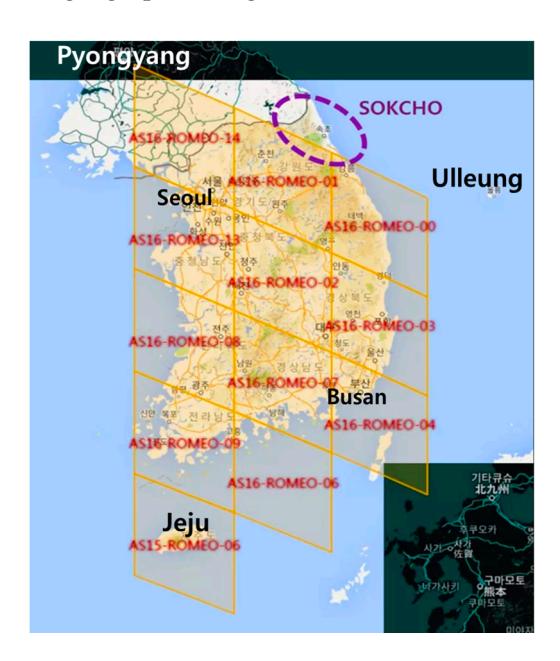
분석 단위는 individual player. 자연 실험 조건: 2016 년 7 월 출시 직후 Niantic 의 diamond-cell mapping bug 로 한국에서 속초 한 지역만 게임 서비스가 가능. 전국에서 모인 다양한 background 의 플레이어 237 명 (방문자 170, 비방문 51, 거주자 16) 을 현장 (Pohang Expo Park 100) + 온라인 cafe (137) 로 surveying. 측정 변수: recognition, ease of use, flow, competition (PENS·Yee 2006), enjoyment (Davis et al. 1992), attitude, intention to use, self-efficacy (Marcus et al. 1992 의 PA self-efficacy scale). 9 latent variable 모두 Cronbach’s α 0.7 이상, AVE 0.6 이상. 모형 fit χ²/df=1.835, CFI=0.943, TLI=0.935, RMSEA=0.069 모두 통과.
결과는 standard frame 의 기각. self-efficacy → intention to use 계수가 유의하지 않다 (H2 기각). 대신 recognition·ease of use·flow·competition → enjoyment (모두 유의, competition 0.43 가장 큼) → attitude (β=0.81) → intention to use (β=1.02) 의 강한 enjoyment driven cascade. 게임을 건강 도구 가 아닌 놀이 로 인식하는 사용자에게 self-efficacy 가 무관한 채로 신체 활동이 증가. 방문자 평균 일일 운동 2.25 h (평소 0.95 h 의 2.4 배), 미국 750 명 sample (Qualtrics) 의 평균 2 h 와 일치. attitude 의 1.02 계수와 self-efficacy 의 비유의 결합이 핵심 발견 — IBM 의 dual antecedent (attitude + self-efficacy) 중 self-efficacy 가 사실상 영향력 없는 경로로 drop-out. limitation 으로 (i) 속초 자연 실험 조건의 일반화 한계, (ii) 자기 보고 운동 시간의 measurement bias, (iii) maintenance (지속 사용) 변수 미포함. TEMEP 내 황준석 · Hana Kim 라인의 3 기 (2014~2019) game / platform 작업으로 Dividing network externality into the number of peers and users: Focusing on sociability and enjoyment in online games · The effect of online platform maturity on the efficiency of offline industry 와 sibling — peer-user network externality 와 platform maturity 가 micro-foundation, 본 paper 는 game design 의 health 적용으로 도메인 확장.
핵심 결과
| 가설 | Path | β | 유의 |
|---|---|---|---|
| H1 | Enjoyment → Attitude | 0.81 | p<0.01 |
| H2 | Self-efficacy → Intention | (NS) | 기각 |
| H3 (a) | Recognition → Enjoyment | + | p<0.05 |
| H3 (b) | Ease of use → Enjoyment | + | p<0.01 |
| H3 (c) | Flow → Enjoyment | + | p<0.05 |
| H3 (d) | Competition → Enjoyment | 0.43 | p<0.01 |
| H4 | Attitude → Intention | 1.02 | p<0.01 |
Fit: χ²/df=1.835, CFI=0.943, TLI=0.935, RMSEA=0.069. 일일 운동 시간: 속초 방문자 평소 0.95 h → 게임 중 2.25 h (2.4 배), 속초 거주자 평소 1.25 h → 게임 중 1.56 h. 미국 Qualtrics sample 의 평균 운동 시간 증가 2 h 와 일치.
방법론 노트
TAM + UGT + IBM 융합 모형의 path 시스템:
핵심 가설은 의 유의성 — IBM 표준에서는 가 강하게 예측되지만 본 sample 에서는 기각. 이는 game-as-itself 사용 맥락에서 self-efficacy 의 explanatory power 가 사라지는 것을 시사. discriminant validity 는 AVE 제곱근 (대각 0.790.93) 이 비대각 상관 (0.050.86) 보다 큰지로 확인.
연구 계보
직계 ancestor: Thaler-Sunstein (2003) libertarian paternalism, Bandura self-efficacy, Marcus et al. (1992) PA self-efficacy scale, Glanz et al. (2015) Integrated Behavioral Model, Davis (1989) TAM, Katz-Blumler-Gurevitch (1973) UGT, Csikszentmihalyi (1989) flow, Yee (2006) competition motivation. AR game × physical activity sibling: Barkley-Lepp-Glickman (2017) Pokémon GO walking. Gamification healthcare 라인: Hamari-Koivisto (2015), Bird et al. (2015), Koivisto-Hamari (2014), Tabak et al. (2015). TEMEP 내 황준석 · Hana Kim 라인의 3 기 (2014~2019) 작업으로 Dividing network externality into the number of peers and users: Focusing on sociability and enjoyment in online games · The effect of online platform maturity on the efficiency of offline industry 와 sibling — game motivation 의 player-level micro-foundation 을 health 도메인으로 확장.
See also
- 황준석
- Hana Kim
- Sustainability
- 구조방정식 모형
- 기술수용모형
- user-gratification
- 증강 현실
- 헬스 IT
- 모바일 게임
- 플랫폼 생태계
- Dividing network externality into the number of peers and users: Focusing on sociability and enjoyment in online games
- The effect of online platform maturity on the efficiency of offline industry
인접 그래프
- 인물 5
- 방법론 1
- 개념 2
- 주제 3
- 수록처 1
- 분류 1
- 논문 2