Effect of AI Recommendation System on the Consumer Preference Structure in e-Commerce: Based on Two types of Preference
Namjun Cha, Hosoo Cho, Sangman Lee, 황준석 (2019) · International Conference on Advanced Communication Technology · DOI ↗
AI 추천 시스템 의 효과를 매출 영향 (Schafer et al. 1999) 또는 filter bubble / echo chamber (Pariser 2011; Sunstein 2001) 두 갈래로만 보던 기존 연구의 gap 을 지적하고, 소비자 선호 구조 자체의 변형 을 종속변수로 삼는 research design 을 제안한다. 선호를 category preference (clothes/electronics/furniture 또는 game/sport/news 같은 종류 선호) 와 attribute preference (color/size/length 또는 image/text/video/duration 같은 속성 선호) 로 분리, 재화를 manufactured product (tangible, search good) 와 content (intangible, experience/credence good) 로 분리한 2×2 cell 에 4 가설 (H1a, H1b, H2a, H2b) 을 실험실 실험 (4 items × 3-stage) 로 검증할 설계.
- RQ: AI 추천 시스템은 소비자의 category 선호 와 attribute 선호 에 각각 어떻게 영향을 주는가, 그리고 그 효과는 manufactured product vs content 의 재화 유형에 따라 어떻게 달라지는가
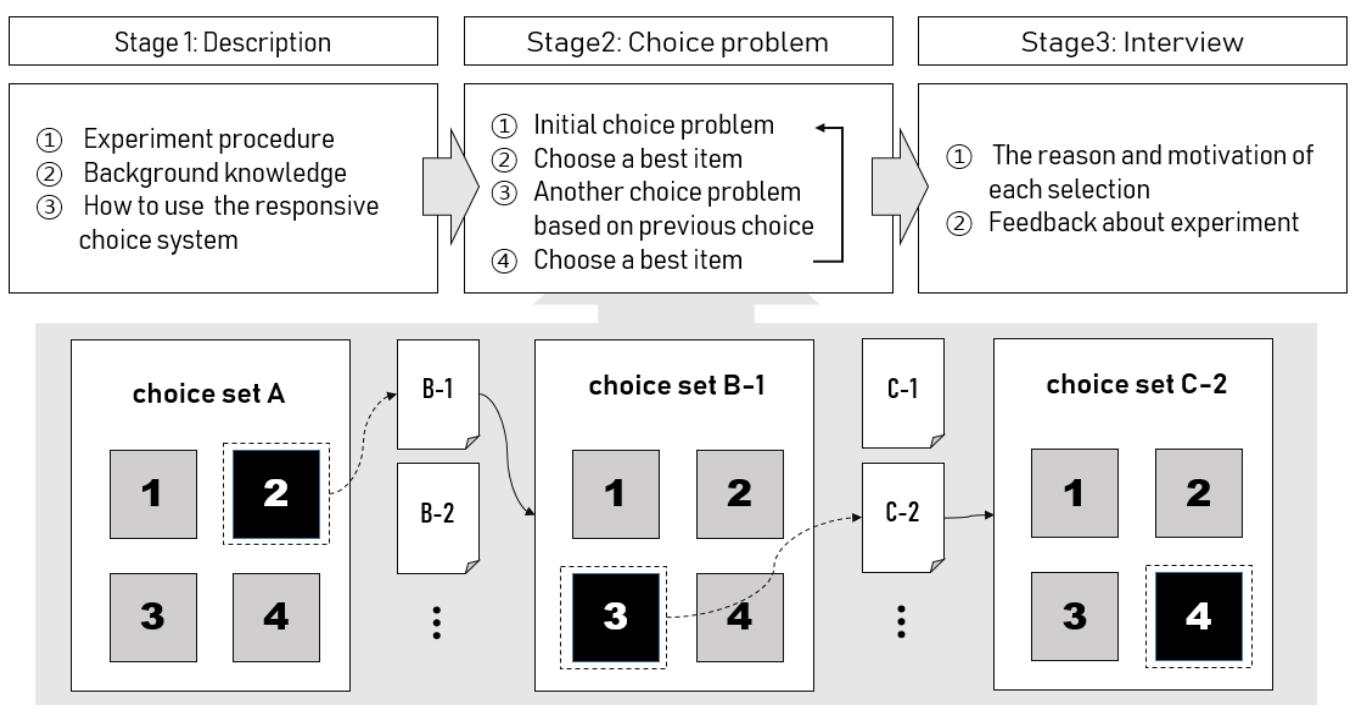
- 방법론: 실험실 실험 (3-stage: 설명 → 4-item choice set 반복 관찰 → interview), HTML 기반 responsive choice system 으로 온라인 쇼핑 환경 simulate
- 데이터: 향후 실험 데이터 (본 paper 는 research design 단계, empirical 결과 없음)
- 주요 발견: 가설 — H1a 제품은 카테고리 선호 확장 효과, H1b 제품은 속성 선호 확장 효과 없음 (Carpenter and Nakamoto 1989 의 pioneering attribute capture 가설); H2a 콘텐츠는 카테고리 선호 확장 효과 없음, H2b 콘텐츠는 속성 선호 확장 효과 (experience / credence good 특성으로 추천 정보 의존도 큼)
- 시사점: e-commerce 플랫폼의 추천 시스템 운영 전략에 preference type × goods type 의 2×2 측정 차원 제공; manufactured product 추천은 category 확장, content 추천은 attribute 확장 으로 차별화
요약
AI 추천 시스템 의 효과 연구는 두 갈래로 분기됐다. (i) e-commerce 매출 영향 — Schafer et al. (1999), Chen et al. (2012) 의 collaborative filtering · content-based filtering 의 매출 증대 효과. (ii) 정보·미디어의 부정적 효과 — Pariser (2011) filter bubble, Sunstein (2001) echo chamber 의 다양성 감소 + 의견 양극화 가설. 그러나 e-commerce 도메인에서 추천 시스템이 소비자 선호 구조 자체를 어떻게 변형하는가 는 연구되지 않았다. 본 paper 는 이 gap 을 채우는 research design.
Namjun Cha · Hosoo Cho · Sangman Lee · 황준석 은 선호를 두 차원으로 분리. Category preference 는 어떤 종류를 좋아하는가 (제품: clothes / electronics / furniture, 콘텐츠: game / sport / news). Attribute preference 는 어떤 속성을 좋아하는가 (제품: color / size / length, 콘텐츠: image / text / video / duration). 재화도 manufactured product (tangible, search good) 와 content (intangible, experience + credence good — Wan et al. 2012, Throsby 2003, Burke 1994) 로 구분.
핵심 가설 4 종은 Carpenter and Nakamoto (1989) 의 pioneering product 의 attribute capture effect 와 content 의 quality uncertainty 차이에 기반. 제품은 과거 형성된 속성 선호가 견고하므로 추천 시스템이 카테고리 만 확장 (H1a) 하고 속성 은 확장하지 못함 (H1b). 콘텐츠는 quality 가 사용 전·후 모두 불확실해 추천 정보 의존도가 크므로 속성 선호까지 확장됨 (H2b), 단 카테고리 는 user 의 ideological motivation (Sunstein) 으로 잘 안 바뀜 (H2a). 실험실 실험 는 3 단계 — (1) 절차 설명, (2) 4-item choice set 반복 관찰 (HTML 기반 responsive system, 이전 선택과 타인 선택을 결합한 추천 simulate), (3) interview 로 동기·이유 수집. 4-item choice set 는 random combination of product properties × category, 후속 set 는 이전 선택의 category 또는 attribute 와 새 요소 결합.
한계는 empirical 결과 부재 (본 paper 는 design 단계), single-shot lab setting 의 ecological validity 제약. 황준석 4 기 (2020-2023) 초입의 AI 시대 collective intelligence 라인 — 1 저자 Namjun Cha 의 박사과정 연구 시작점. 동일 ICACT 2019 학회 발표 Video Diffusion in User-generated Content Website: An empirical analysis of Bilibili 와 sibling.
핵심 결과
본 paper 는 research design 단계로 empirical 결과 없음. 4 가설 cell:
| 재화 \ 선호 | Category preference | Attribute preference |
|---|---|---|
| Manufactured product | H1a: 추천 시스템이 증가 | H1b: 추천 시스템이 증가시키지 않음 |
| Content | H2a: 추천 시스템이 증가시키지 않음 | H2b: 추천 시스템이 증가 |
이론 근거 — H1a/H1b: Carpenter and Nakamoto (1989) 의 pioneering product attribute capture (과거 형성된 속성 선호는 잘 안 변함). H2a/H2b: Wan et al. (2012), Throsby (2003), Burke (1994) 의 content = experience + credence good (사용 전·후 모두 quality 불확실, 추천 의존도 큼).
연구 계보
추천 시스템 기술 라인 — Pazzani (1999) content-based filtering, Schafer et al. (2007) collaborative filtering, Koren et al. (2009) matrix factorization. E-commerce 추천 매출 효과 — Schafer et al. (1999), Chen et al. (2012) business intelligence. 부정적 효과 라인 — Pariser (2011) filter bubble, Sunstein (2001) echo chamber. Consumer preference 이론 — Lancaster (1966) characteristics theory, Thaler (1980) positive theory, Carpenter and Nakamoto (1989) pioneering advantage. Marketing 의 design / advertising 효과 — Bloch (1995), Phillips et al. (2014), Park and Young (1986), Lee, Hosanagar and Nair (2018). Experience/credence good 토대 — Wan et al. (2012), Throsby (2003), Burke (1994). 황준석 4 기 (2020-2023) 의 AI 시대 플랫폼 생태계 / 소비자 행동 라인의 시작 작업. 동일 학회 ICACT 2019 발표 Video Diffusion in User-generated Content Website: An empirical analysis of Bilibili (1 저자 Yan, 공저자 황준석) 와 sibling — 둘 다 플랫폼이 소비자/사용자 행동에 미치는 영향 측정 디자인 라인.
See also
- 황준석
- Namjun Cha
- International Conference on Advanced Communication Technology
- 추천 시스템
- 전자 상거래
- 실험실 실험
- 소비자 행동
- Video Diffusion in User-generated Content Website: An empirical analysis of Bilibili
인접 그래프
- 인물 4
- 방법론 1
- 주제 4
- 수록처 1
- 분류 1
- 논문 1