Building smarter cities together: Government-to-government partnerships in the development of smart cities
Jungwon Kong, 황준석, Hongbum Kim (2025) · Cities 156:105532 · DOI ↗
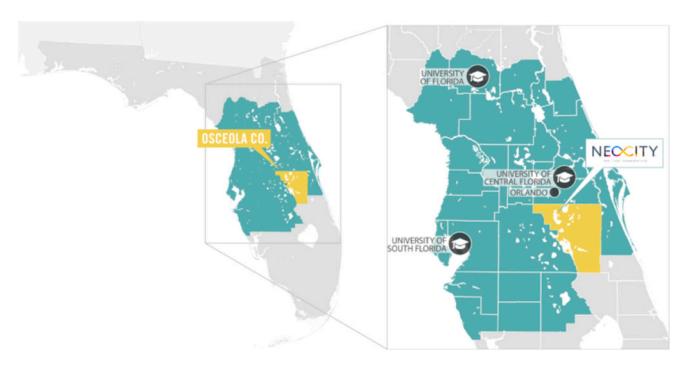
스마트시티 기술 도입은 기술적 타당성뿐 아니라 지역 정서·문화 다양성·거버넌스 구조 등 사회경제적 맥락을 동반 고려해야 한다는 명제를, 한국 시흥시와 미국 플로리다 NeoCity 의 비교 사례로 검증. Dameri 의 4 차원 프레임워크 (land · infrastructure · people · government) 를 적용한 첫 사례이며, SNU 가 시흥시 master plan 을 설계하고 그 경험이 NeoCity 로 $50.8M Build Back Better 보조금과 함께 transplant 되는 G2G (정부 간) 파트너십이 지식 공유 메커니즘으로 작동함을 양국 government 11 명 (Osceola County 2 명 + 시흥 4 명 + 검증용 5 명) 의 in-depth interview 로 입증.
- RQ: 사회경제적 측면에서 G2G 파트너십은 스마트시티 개발을 위한 새로운 기술 도입 과정을 어떻게 지원하는가? — 특히 NeoCity 가 시흥시 전략을 채택하는 과정에서 land · infrastructure · people · government 차원의 차이를 어떻게 매개하는가.
- 방법론: exploratory-case-study, Comparative Analysis, in-depth-interview (2-step protocol per Yin 2018), data-triangulation, Dameri (2014) 4 차원 프레임워크
- 데이터: 시흥시 + Osceola County NeoCity 비교 사례. 1차 interview 6 명 (Osceola Commissioner 2 + 시흥 task force 4), 2022.08.15-16 및 2022.12.14. 검증용 2차 interview 5 명 (Osceola Manager, Honeywell Manager, Florida 고등학교 교장, Florida 엔지니어, U Florida 교수). 각 1 시간. 정부 문서·master plan 보조 분석.
- 주요 발견: (i) Dameri 4 차원 모두에서 두 도시는 상이한 우선순위 — 시흥은 top-down 국가사업, NeoCity 는 bottom-up + Build Back Better $50.8M 연방 보조. (ii) Skywater 반도체, SNU 연구센터, Sejong Technopark, LG 등 다자 G2G 가 NeoCity 지식 transplant 의 채널. (iii) 시흥의 living-lab + 개인정보 동의 모델 → 미국 privacy 법 적합형 재설계 필요 — “지식 transfer 는 verbatim 이식이 아니라 local adaptation”.
- 시사점: G2G 파트너십은 (i) 기술·교육 교차국 교환 (cost efficiency), (ii) 시장 접근성·지속가능 투자 환경 조성의 두 실용적 기여. 정책 입안자가 e-governance 와 함께 G2G 도입을 적극 고려할 것 권고.
요약
황준석 의 5기 (글로벌 스마트시티와 AI) 라인의 anchor paper. 기존 smart city 연구는 (i) 기술 중심 (Kim 2022, Javed et al. 2022 의 systematic review), (ii) 지역 맥락 강조 (Esposito et al. 2021, Duygan et al. 2022) 의 두 흐름이 있었으나, G2G 파트너십을 정면에서 다룬 연구는 부족했다. Pereira et al. (2017), Thabit & Mora (2023) 가 G2G 의 잠재력을 언급했으나 실증 부족. 본 paper 는 Dameri (2014) 의 4 차원 프레임 (land · infrastructure · people · government) 을 시흥-NeoCity 비교에 처음 적용해 이 공백을 메운다.
방법론은 exploratory case study 의 정석을 따른다. Yin (2018) 의 interview protocol — (i) interview planning (참가자 선정, 정보 항목 결정), (ii) interview 수행 (윤리 사전 동의), (iii) compile & categorize (Dameri 4 차원으로 분류), (iv) 분석. data triangulation 은 (a) 정부 문서 · master plan, (b) 1차 in-depth interview 6 명, (c) construct validation 용 2차 interview 5 명 (Osceola County Economic Development Center 추천 전문가에게 1차 요약 사전 제공 후 의견 청취) 의 세 source 결합. 정량 분석은 부재 — smart city development 초기 단계 empirical data 가 부족해 qualitative 접근 채택. Dameri 4 차원별로 두 도시의 발견을 대비시키고, 6 단 discussion 으로 G2G partnership 의 socioeconomic mechanism 을 종합.
핵심 발견은 셋. 첫째, 두 도시는 정반대 성격 — 시흥시는 국토교통부 “Smart Industrial Complex Leading Project” 의 top-down 선정 도시 (4 zones, 9 urban dev projects, 7 service models: 교통·안전·환경·복지·에너지·관광·시설관리), NeoCity 는 bottom-up + Build Back Better Act $50.8M 연방 보조의 county 주도. 의사결정 구조 자체가 다르다. 둘째, infrastructure 측면에서 시흥은 CCTV/BIS/ITS 등 검증된 기술 우선 적용 (복지 예산 절감 의도), NeoCity 는 traffic + water quality + EV 충전소 + autonomous vehicle 같은 차세대 인프라 우선. 셋째, 시흥의 living-lab 시민참여 + 개인정보 동의 정책 모델이 NeoCity 의 strict US privacy law 환경에 그대로 이식 불가 — region-specific privacy law-oriented design 의 재설계가 G2G transplant 의 핵심 과제. SNU 가 시흥 master plan 설계자로서 NeoCity 에 연구센터를 두고 지식·기술·human resource 를 동시에 transfer 하는 모델이 G2G 의 구체적 형태.
한계: 두 도시만의 사례 연구, qualitative-only, smart city 발전 초기 단계로 empirical data 수집 곤란.
핵심 결과
Dameri 4 차원별 시흥-NeoCity 비교 (Table 2 요약):
| 차원 | 시흥시 (한국) | NeoCity (Florida) |
|---|---|---|
| Land | 바다·녹지·산업단지 인접, 공항 10-20km, KTX 5km. 시 정부 토지 전적 보유. | greenfield + waterfront, agriculture 친화, 공항 10-25분, county 482.5acre 직접 보유. |
| Infrastructure | 검증된 CCTV·BIS·ITS 우선, 복지 예산 절감 목표. 7 smart service 모델. | traffic analyzer·autonomous vehicle·water quality·EV 충전소 신규 인프라. |
| People | 정부-민간-시민 협력, living-lab, SNU smart campus + 의료 클러스터. | STEM 고교 + Skywater + Florida High Tech Corridor + LG 등 다양한 stakeholder 공존. |
| Government | top-down 국가 프로젝트 (국토부 선정). | bottom-up county 주도 + Build Back Better Act $50.8M federal 보조. |
- 시흥 우선순위 (interview): people > government > infrastructure > land.
- NeoCity 우선순위: 일자리 (semiconductor hub), Build Back Better 의 economic development 와 연동.
- G2G transplant 의 핵심 마찰: privacy 법제 (시흥의 동의 모델 → NeoCity 의 strict US privacy 법으로 재설계 필요).
방법론 노트
본 paper 는 empirical regression 이 아니라 exploratory-case-study 이므로 핵심 식이 없다. 대신 분석 framework 는 Dameri (2014) 의 4 차원 territorial 모델:
여기서 각 차원은 (a) 물리적·환경적 자산, (b) ICT·교통·에너지 등 네트워크 인프라, (c) 시민·연구기관·기업·정부 등 stakeholder, (d) 거버넌스 구조·정책·법제로 구성된다. 분석은 interview 응답을 4 차원으로 분류 후 cross-case 비교 (Yin 2018) 와 data triangulation (Patton 2015) 으로 신뢰성 확보. interview protocol 은 Yin (2018) 의 5 단계: (i) 사전 설계, (ii) 질문 구조화, (iii) 실시, (iv) 자료 정리, (v) 카테고리화·결론 도출. construct validation 은 2차 interview 5 명에게 1차 결과 요약을 사전 제공 후 의견을 받아 일관성 확인.
연구 계보
황준석 의 5기 (글로벌 스마트시티와 AI, 2024-2026) 의 anchor paper. 같은 시기 자매 작업으로 What makes smart cities inclusive? The spillover effects of the intra-city digital divide on inter-city digital inequality (스마트시티의 디지털 격차 공간적 파급) 과 Exploring diverse interests of collaborators in smart cities: A topic analysis using LDA and BERT (스마트시티 협력자 관심 토픽) 이 같은 author page anchor 의 “스마트시티의 포용성” 라인에 같이 분류된다. 본 paper 는 그 라인의 G2G partnership 측면을 담당. ASEAN smart city 자매 작업 Smart Mobility Solutions for Urban Transportation in ASEAN: A Bibliometric Study of Trends and Innovations 과 ASPP / SCGC 프로그램 운영 경험의 연구 환원이라는 공통 motivation 을 공유한다. 핵심 reference 는 Dameri (2014, Smart City: How to Create Public and Economic Value) 의 4 차원 프레임, Ruhlandt (2018, Cities) 의 governance 체계 정리, Nam & Pardo (2011) 의 smart city dimensions (technology · people · institutions), Pereira et al. (2017) 의 G2G open data, Thabit & Mora (2023) 의 collaboration dilemma. 황준석 라인 내에서는 4기 The relationship between shared mobility and regulation in South Korea: A system dynamics approach from the socio-technical transitions perspective (한국 공유 모빌리티 socio-technical transition) 의 정부-신기술 갈등 모델링이 동일 author page anchor 의 “사회기술적 전환” 흐름의 ancestor.
See also
- 황준석
- Jungwon Kong
- Hongbum Kim
- Cities
- 스마트시티
- Government To Government Partnership
- 지식 이전
- exploratory-case-study
- What makes smart cities inclusive? The spillover effects of the intra-city digital divide on inter-city digital inequality
- Exploring diverse interests of collaborators in smart cities: A topic analysis using LDA and BERT
- Smart Mobility Solutions for Urban Transportation in ASEAN: A Bibliometric Study of Trends and Innovations
인접 그래프
- 인물 3
- 방법론 1
- 개념 1
- 주제 2
- 수록처 1
- 분류 1
- 논문 8
이 문서를 가리키는 페이지
논문 (6)
- Evaluating Korean commuters' acceptance of MaaS through the UTAUT framework
- Is the transition to electric vehicles a crisis or an opportunity? The South Korean automotive industry experience
- Smart Mobility Solutions for Urban Transportation in ASEAN: A Bibliometric Study of Trends and Innovations
- Systematic application of traffic-signal-control system architecture design and selection using model-based systems engineering and Pareto frontier analysis
- The power of regional centrality: specialization, diversity, and their effects on regional economic growth
- What makes smart cities inclusive? The spillover effects of the intra-city digital divide on inter-city digital inequality