Barriers to renewable energy technologies penetration: Perspective in Iran
Bahareh Oryani, 구윤모, Shahabaldin Rezania, Afsaneh Shafiee (2021) · Renewable Energy · DOI ↗
이란 재생에너지 (태양광 PV, 풍력, 바이오매스) 보급의 13 개 장벽 × 5 차원 을 계층 분석법 으로 식별·우선순위화. 55 명 전문가 (Ministry of Energy SATBA 25, Ministry of Petroleum IIES 15, Petroleum University of Technology 15) 설문, 일관성 검정 통과 48 부 (87.3%) 사용. 5 차원 weight: 경제·금융 51.5% > 사회·문화·행동 20.1% > 기술 12.8% > 정치·규제 10.1% > 제도 5.6%. 개별 장벽 top: 민간·국가 투자 부재 21.1% > 낮은 대중 인식 14.0% > 높은 초기 투자비 + fossil 보조금 13.8% > 신용 접근 부족 + 긴 회수기간 13.3% > 숙련 인력 부족 7.3%. 대안 종합 score: 태양광 PV 0.212 (최저 장벽) < 풍력 0.364 < 바이오매스 0.424. Sensitivity (20% weight 변동) — ranking 안정. Bahareh Oryani 이란 시리즈의 세 번째.
- RQ: 이란 재생에너지 (PV / 풍력 / 바이오매스) 보급의 장벽 은 무엇이며, 어느 대안이 가장 적은 장벽 으로 우선 확산 가능한가? 5 차원 (경제·금융 / 사회·문화·행동 / 정치·규제 / 기술 / 제도) 중 어느 것이 최대 leverage point 인가?
- 방법론: 계층 분석법 (Saaty 1980) — hierarchy 구축 (goal → 5 criteria → 13 sub-criteria → 3 alternatives), pairwise comparison (Saaty 1-9 scale, 55 명 전문가), geometric mean aggregation, eigenvector priority weights, Consistency Ratio CR = CI/RI < 0.1 검정, 일관성 통과 48 부 사용, 민감도 분석 (Export Choice 2000, ±20% weight 변동).
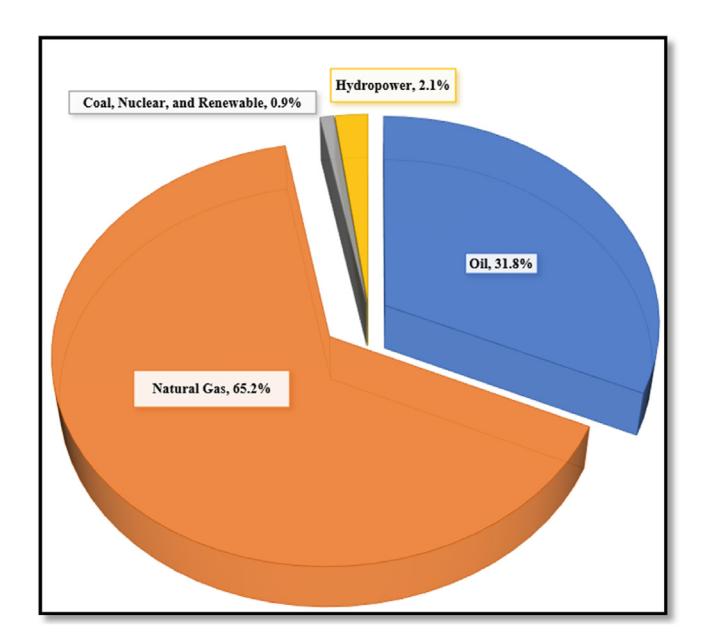
- 데이터: 55 명 전문가 설문 (Ministry of Energy SATBA 25, Ministry of Petroleum IIES 15, Petroleum University of Technology 15). 13 개 장벽 = {EF1-3 (경제·금융), SCB1-2 (사회·문화·행동), PR1-3 (정치·규제), TECH1-3 (기술), INST1-2 (제도)}. 일관성 통과 48 부 (87.3%) 사용. 이란 재생 share 1% (2018, BP) — 매우 낮은 현 수준이 분석 동기.
- 주요 발견: (i) 5 차원 weight (1 위→5 위): 경제·금융 51.5%, 사회·문화·행동 20.1%, 기술 12.8%, 정치·규제 10.1%, 제도 5.6%. (ii) 개별 장벽 top 7: 민간·국가 투자 부재 (EF1) 21.1%, 낮은 대중 인식 (SCB2) 14.0%, 높은 초기 투자비 + fossil 보조금 (EF3) 13.8%, 신용 접근 부족 + 긴 회수기간 (EF2) 13.3%, 숙련 인력 부족 (TECH2) 7.3%, 사회적 수용 부족 (SCB1) 6.6%, 국제 제재 (PR1) 5.7%. (iii) 대안 종합 score: PV 0.212 (가장 적은 장벽) < 풍력 0.364 < 바이오매스 0.424. (iv) Sensitivity analysis (20% 변동) — ranking 안정. (v) 정치·규제 차원 top: 국제 제재 (52.3%), 환경정책 부재 (24.9%), IREA·World Bank 협력 부재 (22.9%).
- 시사점: (a) 단계적 접근 — PV 우선 (낮은 일사량 장벽 + 분산형 설치 가능), 이후 풍력·바이오매스. (b) 경제·금융 차원 (총 weight 51.5%) 이 정책 최대 leverage — fossil 보조금 자유화 + 재생 보조금 + 단일 license 창구. (c) Systemic Competitiveness Model (Meyer-Stamer) 의 4 level (Micro / Meso / Macro / Meta) 별 strategy + action plan + authority 매핑 제공 (Ministry of Energy / Petroleum / Industry / Foreign Affairs 등). (d) 이란 자원부국 패러독스 — Sun Belt + Geothermal Belt 의 막대 잠재력에도 fossil 99% 의존, 경제·정치 메커니즘이 정량 장벽 분석으로 surface.
요약
구윤모 · Bahareh Oryani 이란 시리즈의 세 번째 작업이자 최다 피인용. Structural vector autoregressive approach to evaluate the impact of electricity generation mix on economic growth and CO2 emissions in Iran (전원믹스 SVAR) + Investigating the asymmetric impact of energy consumption on reshaping future energy policy and economic growth in Iran using extended Cobb-Douglas production function (Cobb-Douglas) 가 시계열 인과 분석 이었다면, 본 paper 는 전문가 의견 기반 정성·정량 MADM 분석으로 왜 이란 재생이 부진한가 의 메커니즘을 식별한다. Gap: Mahama 등 (2020, Ghana, MULTIMOORA), Shah 등 (2019, Pakistan, Modified Delphi + Fuzzy AHP), Karatayev 등 (2016, Kazakhstan, AHP), An analysis on barriers to renewable energy development in the context of Nepal using AHP (Nepal AHP) 등 개도국 장벽 분석이 다수 존재했으나 이란 case 는 없었음 — 본 paper 가 최초.
방법론적 핵심은 계층 분석법 (Saaty 1980) — 13 개 장벽을 5 차원으로 분류, 55 명 전문가 (Ministry of Energy SATBA 25 명, Ministry of Petroleum IIES 15 명, Petroleum University of Technology 15 명) 의 Saaty 1-9 pairwise comparison, geometric mean aggregation, eigenvector priority weight, Consistency Ratio CR < 0.1 검정 (CI = (λ_max - n)/(n - 1), RI 는 Saaty random index table), 일관성 통과 48 부 (87.3%) 만 분석. 3 alternatives (PV / 풍력 / 바이오매스) 의 종합 score = Σ(criteria weight × sub-criteria weight × alternative pairwise score). 민감도 분석 (Export Choice 2000, ±20% criteria weight 변동) 로 ranking robustness 검증.
핵심 결과 — 5 차원 weight 에서 경제·금융 51.5% 가 압도적 (다른 4 차원의 합보다 큼). 개별 장벽 top: 민간·국가 투자 부재 (21.1%), 낮은 대중 인식 (14.0%), 높은 초기 투자비 + fossil 보조금 (13.8%), 신용 접근 부족 + 긴 회수기간 (13.3%). 즉 이란의 fossil fuel 보조금 (총 $69 B, GDP 의 15%) 이 재생 가격 경쟁력을 압박해 민간 투자 미진 → 가장 큰 정책 leverage. 대안 종합 score: PV (0.212) < 풍력 (0.364) < 바이오매스 (0.424) — PV 가 가장 적은 장벽, 따라서 1 단계 우선 확산 대상. PV 가 우선되는 이유: (i) Sun Belt 위치 + 2800 시간/년 일사량 + 글로벌 평균 17% 초과 일사, (ii) 사막 면적 풍부, (iii) 기술 단순 + 분산 설치 가능 (송전망 의존도 낮음). 바이오매스 최저: 농지의 22% 가 water shortage 로 미사용, 산림 7% 만 (1100 만 ha), 원료 공급망 미성숙. Sensitivity (±20%) — ranking 안정. caveat: AHP 가 전문가 주관 의존, 정부 부처 출신 전문가 의 체제 선호 bias 가능, pairwise comparison 의 transitivity 가정.
정책 함의는 Systemic Competitiveness Model (Meyer-Stamer 2005) 의 4 level — Micro / Meso / Macro / Meta 별 strategy, action plan, authority 매핑. Micro: 비즈니스 환경 개선 (license 단일 창구); Meso: investment incentive (보장 매입가, 무이자 대출, 환경세, R&D 세제, vocational training, triple helix); Macro: 거시 안정 (이자율, 환율, 인플레이션); Meta: 인식 제고 + 정치 외교 (제재 대응). PV 우선 확산이 1 단계 전략.
핵심 결과
| 차원 | 종합 weight | 1 순위 sub-barrier (weight) |
|---|---|---|
| 경제·금융 | 51.5% | 민간·국가 투자 부재 (45.1% within) |
| 사회·문화·행동 | 20.1% | 사회적 수용 부족 (55.8% within) |
| 기술 | 12.8% | 숙련 인력 부족 (49.9% within) |
| 정치·규제 | 10.1% | 국제 제재 (52.3% within) |
| 제도 | 5.6% | 은행·보험 부재 (67.3% within) |
| 대안 | 종합 score (낮을수록 장벽 적음) | 우선순위 |
|---|---|---|
| 태양광 PV | 0.212 | 1 |
| 풍력 | 0.364 | 2 |
| 바이오매스 | 0.424 | 3 |
개별 장벽 top 7: 민간·국가 투자 부재 21.1%, 낮은 대중 인식 14.0%, 높은 초기 투자비 13.8%, 신용 접근 부족 13.3%, 숙련 인력 부족 7.3%, 사회 수용 부족 6.6%, 국제 제재 5.7%. Sensitivity (±20% criteria weight) — ranking 안정.
방법론 노트
계층 분석법 (Saaty 1980) 5 단계 — (1) hierarchy 구축, (2) Saaty 1-9 pairwise comparison, (3) geometric mean aggregation, (4) eigenvector priority weight, (5) Consistency Ratio 검정.
= pairwise comparison matrix, = priority weight eigenvector, = maximum eigenvalue, = Saaty random index (n=5: 1.11; n=13: 1.49). 종합 score = Σ(criteria weight × sub-criteria weight × alternative pairwise score). 민감도 분석: criteria weight ±20% 변동 시 alternative ranking 변화 검증, Export Choice 2000 활용. Identification: pairwise transitivity, 전문가 표본의 representativeness (Ministry 출신 + 대학 학자 mix), CR < 0.1 inconsistent 응답 (12.7%) 제거.
연구 계보
구윤모 의 2 기 탄소중립·기술확산·정책 평가 라인 안에서, Bahareh Oryani 이란 시리즈의 세 번째이자 가장 영향력 있는 작업. Direct method predecessor: Saaty (1980, 1990, AHP 본가). Direct application predecessor: An analysis on barriers to renewable energy development in the context of Nepal using AHP (Nepal AHP, 구윤모 라인의 sister), Mahama 등 (2020, Ghana MULTIMOORA), Asante 등 (2020, Ghana MULTIMOORA-EDAS), Shah 등 (2019, Pakistan Modified Delphi + Fuzzy AHP), Karatayev 등 (2016, Kazakhstan AHP), Nasirov 등 (2016, Chile), Eleftheriadis & Anagnostopoulou (2015, Greek wind/PV), Luthra 등 (2015, India), Heo 등 (2010, Korea fuzzy AHP), Mirza 등 (2009, Pakistan). 시리즈 직속 선행 — Structural vector autoregressive approach to evaluate the impact of electricity generation mix on economic growth and CO2 emissions in Iran (SVAR 전원믹스), Investigating the asymmetric impact of energy consumption on reshaping future energy policy and economic growth in Iran using extended Cobb-Douglas production function (Cobb-Douglas ARDL). Sibling: The role of electricity mix and transportation sector in designing a green-growth strategy in Iran (수송 확장), Heterogeneous preferences for EVs: Evidence from Iran (EV DCM).
See also
- 구윤모
- Bahareh Oryani
- 계층 분석법
- 민감도 분석
- renewable-energy-barriers
- iran-energy-policy
- Structural vector autoregressive approach to evaluate the impact of electricity generation mix on economic growth and CO2 emissions in Iran
- Investigating the asymmetric impact of energy consumption on reshaping future energy policy and economic growth in Iran using extended Cobb-Douglas production function
- The role of electricity mix and transportation sector in designing a green-growth strategy in Iran
- Heterogeneous preferences for EVs: Evidence from Iran
- An analysis on barriers to renewable energy development in the context of Nepal using AHP
- Renewable Energy
인접 그래프
- 인물 4
- 방법론 2
- 수록처 2
- 분류 1
- 논문 6
이 문서를 가리키는 페이지
논문 (5)
- Heterogeneous preferences for EVs: Evidence from Iran
- Investigating the asymmetric impact of energy consumption on reshaping future energy policy and economic growth in Iran using extended Cobb-Douglas production function
- Research on local acceptance cost of renewable energy in South Korea: A case study of photovoltaic and wind power projects
- Structural vector autoregressive approach to evaluate the impact of electricity generation mix on economic growth and CO2 emissions in Iran
- The role of electricity mix and transportation sector in designing a green-growth strategy in Iran